
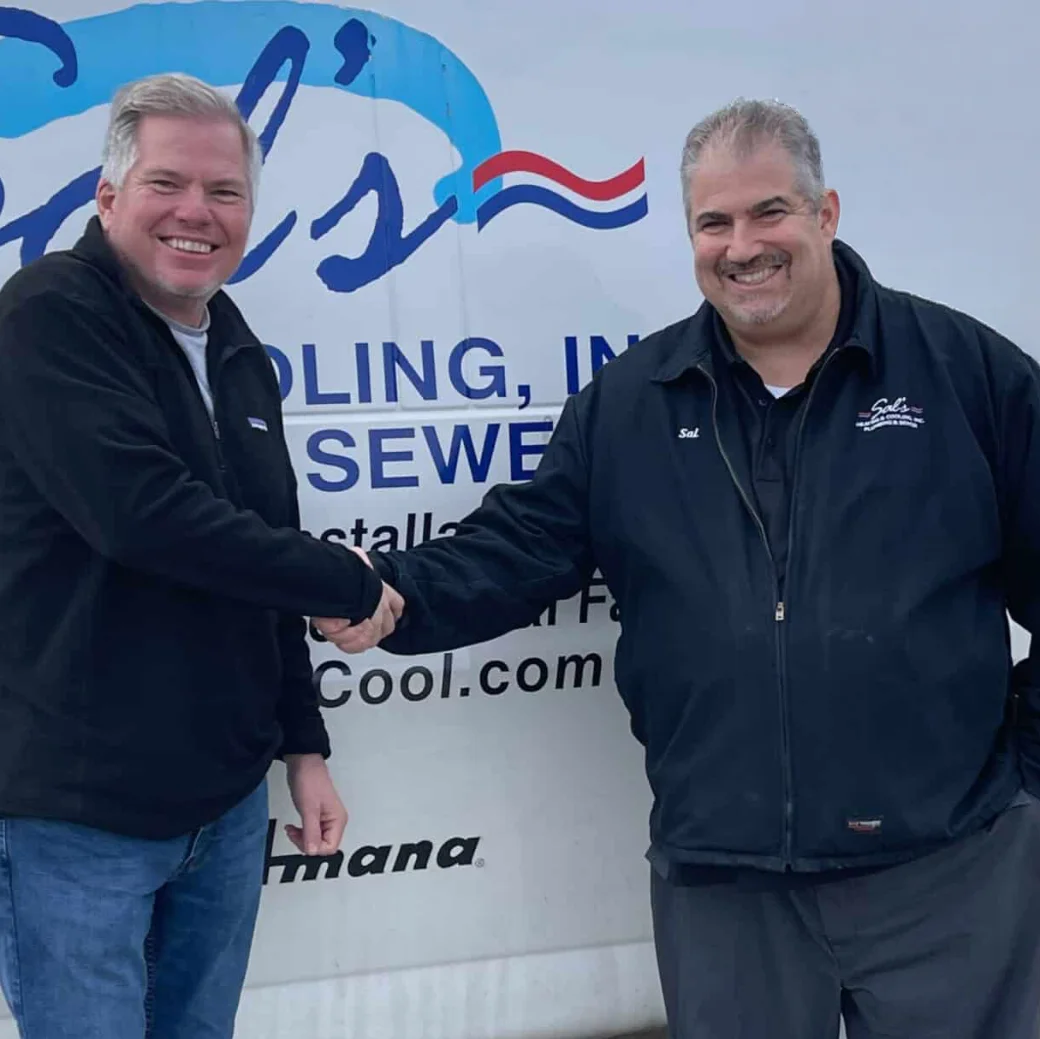
In Louisville, the water utility maintains the main and the meter, but the service line from the meter to your house is generally the homeowner’s responsibility. When that line cracks, corrodes, or gets squeezed by tree roots and shifting clay soil, you pay the repair bill. Sal’s Heating & Cooling, Plumbing & Sewer fixes, replaces, relocates, and installs residential water lines from the meter or well to the house.
Call 502-955-5551 or contact us online to schedule water line repair with Sal’s.
Signs You Need Water Line Repair
A buried water line can leak for a long time before anything shows above ground. These are the signs we look for.
-
A sudden drop in pressure throughout the house often means water is escaping before it ever reaches the home.
-
A soggy patch or small sinkhole along the line’s path, especially during dry weather, often marks a leak below.
-
A meter that spins with every fixture closed confirms water is leaving the system somewhere.
-
Rusty or dirty water from every tap can mean an old galvanized service line is corroding.
-
Water bills that jump without any change in household habits point to water lost between the meter and the taps.
Water Line Repair & Replacement
Our plumbers start by confirming the leak is in the service line, not inside the house. A meter test and pressure check narrow it down, and acoustic equipment helps pinpoint the leak’s location along the buried line so digging stays limited to one spot when a repair is possible.
Older Louisville homes may still have galvanized steel, lead, or early plastic service lines that are well past their expected life. When a line has leaked more than once or is badly corroded, replacement is usually the better investment. Depending on the yard, we replace lines with open trenching or, where conditions allow, trenchless methods that pull new pipe through with less digging. New lines are typically polyethylene or copper, sized to deliver proper pressure to the house.
Water line work often overlaps with other projects. Before any digging, Kentucky 811 marks buried utilities, which protects gas, electric, and cable lines in the yard. If the sewer lateral is also aging, scheduling sewer line replacement at the same time can reduce yard restoration. When low pressure continues inside the house after the service line is fixed, corroded interior pipe may call for whole-home repiping.
Clay soil is part of the story here. Much of the Louisville area sits on clay that swells when wet and shrinks during dry spells, and that movement stresses rigid pipe and joints over time. Flexible polyethylene handles the shifting better, which is one reason we often recommend it for replacements.
Restoration is part of the plan. We backfill and compact the trench so it doesn’t settle into a ditch, and we talk through what happens with sod, landscaping, or a section of driveway before work starts, so nothing about the finished yard catches you off guard.
Water Line Repair
Isolated leaks from a failed fitting or a single damaged section can often be repaired by excavating at the leak and replacing that piece. Repair makes sense when the rest of the line is in good condition.
Water Line Replacement
Replacement runs all-new pipe between the meter and your foundation. It ends recurring leaks, restores full pressure, and removes old materials like galvanized steel or lead.
Water Line Relocation
Additions, driveways, pools, and landscaping projects sometimes put the water line in the way. We reroute the line along a new path that keeps it clear of new construction and buried at a safe depth.
Water Lines for Well Homes
Rural homes outside the city water system run a line from the well to the house instead of from a meter. Those lines face the same threats from roots and soil movement, plus pressure swings from the pump. We repair and replace well lines and coordinate with well pump repair when both need attention.
New Water Line Installation
We install new lines for detached garages, outbuildings, barns, and new construction, including runs from a private well to the house. We pressure-test every new line before backfilling the trench.
Our Water Line Repair and Replacement Process
We begin by asking about changes in water pressure, unexplained water use, and wet areas around your Louisville property. We then assess the supply line and available access to determine whether a targeted repair or a larger replacement is appropriate.
-
Locate and assess the problem. We inspect accessible piping and use appropriate testing or locating methods to narrow down the affected section. We consider the pipe material, visible condition, and history of previous leaks when evaluating the line.
-
Explain the recommended work. We review the findings, proposed repair or replacement, and pricing before work begins. We also discuss access requirements, expected water shutoffs, and any excavation or surface restoration involved.
-
Prepare the work area. For underground work, we coordinate required utility locating and applicable permits before excavation. We plan access around the line’s location and surrounding features, including landscaping, walkways, and driveways.
-
Repair or replace the affected piping. We isolate the water supply and complete the approved work using materials suited to the installation. If we uncover additional deterioration, we explain how it affects the original plan before proceeding with further work.
-
Test the line and restore water service. We check the completed piping for leaks, flush the affected line, and verify water flow after restoring service. We coordinate any required inspections and complete the agreed site cleanup.
Before we finish, we explain the work completed and any remaining restoration needs. We also show you relevant shutoff locations and answer questions about the repaired or replaced line.
Common Causes of Water Line Issues in the Louisville Area
Water line problems can develop gradually as piping ages or appear suddenly after freezing weather or ground movement. When we investigate a Louisville water line issue, we consider the pipe’s material, installation history, and surrounding conditions to understand why it failed.
-
Aging pipes and connections. Older Louisville properties may have water service lines that have been in place through decades of repairs and renovations. Corrosion, deteriorating fittings, and transitions between different pipe materials can create weak points or restrict water flow.
-
Freezing temperatures. Winter cold snaps can freeze water in vulnerable piping, particularly near exterior walls, in unheated crawl spaces, or where the line enters the home. Expanding ice can damage the pipe, with leakage becoming apparent as it thaws.
-
Soil movement around buried lines. Changes in ground moisture can cause some soils to expand, shrink, or settle. That movement can place stress on buried piping and connections, especially where a line lacks consistent support.
-
Corrosive conditions. Metal piping can deteriorate from corrosion inside or outside the line. We evaluate the affected material and surrounding conditions rather than assuming every leak has the same cause.
-
Tree growth near the water line. In established neighborhoods with mature trees, growing roots can place pressure on nearby piping or shift the surrounding soil. We assess the relationship between the damaged line and nearby roots when planning repairs.
-
Excavation and previous installation problems. Landscaping, fence installation, and other digging can damage shallow or incorrectly located piping. Poor bedding, strained connections, or unsuitable materials can also contribute to failures long after installation.
A recurring leak may indicate that more than one section of the line is deteriorating. We assess whether a localized repair will provide a practical solution or whether replacement would better address the condition of the remaining piping.
Why Choose Sal’s for Water Line Repair?
A water line project means digging in your yard, so you want a crew that gets it right the first time. Sal’s has been family-owned since 1975, and we price every excavation upfront so the cost doesn’t change once the shovel hits the ground.
-
Pinpoint the leak location before digging, keeping yard damage minimal.
-
Repair and replacement options laid out side by side, with a price for each.
-
24/7 emergency response for line breaks that leave the house without water.
-
Spread-out payments for full line replacements are possible with our HVAC and plumbing financing.
Losing water pressure or seeing a wet yard? Call 502-955-5551 or reach out online, and our plumbers will find where the water is going.