The sewer lateral carries every drop of wastewater from your house to the Louisville MSD sewer main, and in most cases, the property owner is responsible for that pipe. Many laterals across the city are clay or cast iron, buried for 60 years or more under clay soil that shifts with wet and dry seasons and tree roots that never stop growing. Sal’s Heating & Cooling, Plumbing & Sewer fixes and replaces damaged sewer lines, using trenchless methods where they fit to spare your lawn, driveway, and landscaping.
Call 502-955-5551 or contact us online to book a sewer line evaluation.
Signs You Need Sewer Line Repair
Recurring drainage problems deserve a closer look, especially when several fixtures are affected or clearing the line provides only temporary relief. These symptoms can indicate a sewer problem, but an inspection is needed to distinguish a blockage from damaged piping.
-
Repeated backups in the lowest drains. Wastewater returning through basement drains, showers, or toilets may indicate a persistent obstruction or a damaged section downstream.
-
Sewage odors indoors or outside. Odors can come from several plumbing conditions, including leaking drains, so locating the source matters before recommending excavation.
-
Persistent wet areas along the sewer route. Unexplained soggy ground may warrant investigation for a leaking sewer lateral or water supply line.
-
Depressions or settling above buried piping. Changes in the ground surface can indicate soil movement or underground water loss that needs assessment.
-
A recurring strip of unusually lush grass. This can be a clue when it appears alongside other symptoms, though lawn growth alone does not confirm a sewer leak.
We evaluate the pattern of symptoms rather than treating any one warning as proof that replacement is necessary. If sewage is actively entering your home, our emergency plumbing services can address the urgent backup and establish the next steps, with availability confirmed when you contact us.
Finding the Cause Before Recommending Repairs
We begin by discussing previous backups, cleaning history, and the location of accessible cleanouts. A sewer camera inspection helps us evaluate visible pipe conditions and identify concerns such as root intrusion, separated joints, cracks, or standing water. If debris or a complete blockage prevents a useful view, clearing may be necessary before the inspection can continue.
Camera findings help establish whether the problem is localized or affects a longer section. We also consider pipe material, depth, slope, surrounding utilities, and access before explaining the repair options.
When Cleaning May Be Enough
A restricted sewer line does not automatically need structural repair. If the piping remains serviceable, drain cleaning may restore flow by removing accumulated waste and debris. We explain any inspection limitations and whether further evaluation is advisable after cleaning.
For root obstructions, rooter service may reopen the line, while suitable cast iron piping may benefit from pipe descaling. Neither service repairs cracks, displaced joints, or collapsed sections, so recurring problems require attention to the underlying pipe condition.
Sewer Line Repair and Replacement Options
We match the proposed work to the extent of the damage and the condition of the remaining sewer line. Our recommendations account for access, excavation, restoration, and whether the selected method can correct what caused the failure.
Localized Sewer Line Repair
A spot repair may be appropriate when an isolated crack, damaged connection, or displaced joint affects an otherwise serviceable line. We access the affected location, remove the compromised section, and install replacement piping with connections suited to the existing materials.
Before recommending a localized repair, we assess whether nearby sections show similar deterioration. Repairing one visible defect may provide limited value if much of the remaining line is also failing.
Full Sewer Line Replacement
Replacement may be more practical when deterioration extends along the line, failures keep recurring, or the existing layout needs correction. An open-trench approach provides access to remove damaged piping and establish the required alignment, support, and slope.
We explain the anticipated excavation area and how the work may affect landscaping, walkways, or other surfaces. Required utility locating, permits, and inspections are coordinated as part of the project, with restoration responsibilities clarified before work begins.
Trenchless Sewer Line Repair
Where conditions allow, a lining method can rehabilitate suitable existing piping without excavating along its entire length. The process creates a new interior lining that can seal certain cracks and joints while retaining the existing pipe route.
Suitability depends on the host pipe’s condition, dimensions, access, and alignment. A liner does not correct every problem, particularly significant slope defects or collapsed piping, so we assess those limitations before recommending trenchless repair.
Trenchless Sewer Line Replacement
Pipe bursting replaces suitable existing sewer piping by drawing new pipe along the old route while breaking apart the original pipe. This approach can reduce excavation along the run, although access pits and additional openings may still be necessary.
We evaluate nearby utilities, pipe material, ground conditions, and the alignment of the existing line before determining whether the method fits. Where the route or slope needs substantial correction, another replacement approach may be more appropriate.
Sewer Cleanout Installation
A properly located cleanout provides access for future clearing, inspection, and maintenance. During repair planning, we assess whether the home has usable access and whether adding or replacing a cleanout would improve serviceability.
Cleanout work can be included in a larger sewer project or evaluated as part of our plumbing installation services. We consider placement, accessibility, and the existing drainage layout when planning the connection.
New Sewer Lines and Rerouting
New construction, additions, and changes to an existing building can require a new sewer connection or a revised route. We plan the line around drainage demand, available connection points, required slope, and access for future service.
When a project also changes interior fixtures or branch drains, we coordinate those connections with the sewer work. This helps ensure the new underground piping fits the plumbing layout it will serve.
Sewer Line Considerations for Louisville Homes
Louisville properties vary in age, renovation history, and underground pipe materials. In established neighborhoods, a sewer lateral may include original sections alongside later repairs, making it important to inspect transitions and assess the remaining line before choosing a repair method.
Mature tree roots, soil settlement, and changes in ground moisture can contribute to problems where piping is already vulnerable. We base recommendations on the observed condition of your line rather than assuming its material or age from the neighborhood alone.
Distinguishing Sewer Leaks From Water Line Leaks
A wet yard does not establish which underground system is leaking. Sewer problems may occur alongside backups or wastewater odors, while a pressurized supply leak may be associated with unexplained water use or pressure changes.
When the source is unclear, leak detection can help guide the investigation. If the problem involves the incoming supply rather than wastewater piping, we explain the appropriate water line repair options.
What Happens After Sewer Line Work
After the approved work, we check the completed installation using methods appropriate to the project and coordinate required inspections. We explain what was repaired or replaced, where service access is located, and whether any further work remains.
You also receive guidance on the conditions that contributed to the original problem and any recommended follow-up. Before we finish, we review cleanup and restoration responsibilities so you know what to expect from the completed project.
Why Choose Sal’s for Sewer Line Repair?
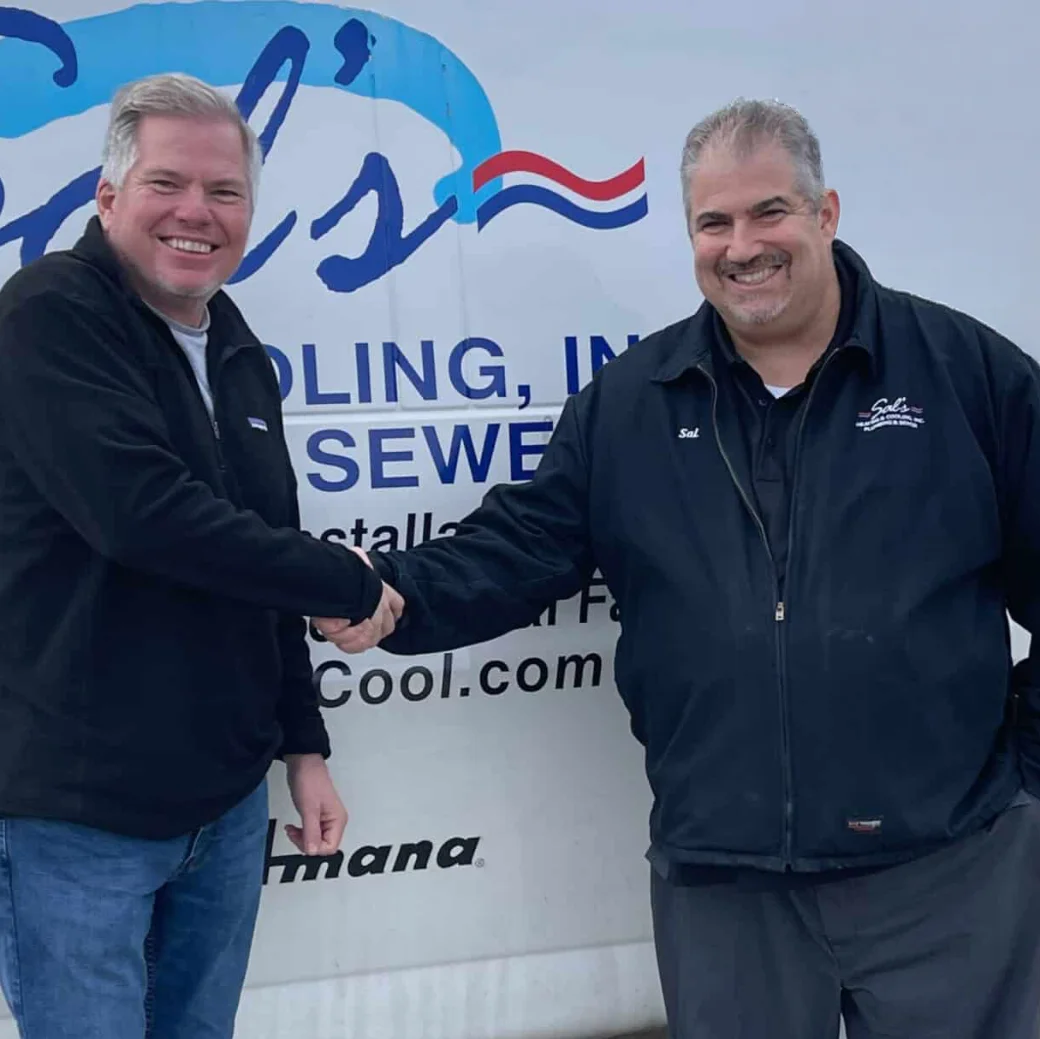
Sewer repair is a big expense, and your first quote shapes every decision after it. The Sidoti family has owned Sal’s since 1975, and Sal Jr.’s decision to bring full sewer service in-house means the same company that clears your line can repair it.
-
Camera evidence for every recommendation, so you see the damage before agreeing to a fix.
-
Repair, lining, and replacement options priced side by side when more than one would work.
-
Upfront pricing with no surprises once the ground is open.
-
Payment flexibility for larger sewer projects comes through HVAC and plumbing financing.
Sewer line acting up? Call 502-955-5551 or reach out online, and a Sal’s plumber will find the problem and lay out your options.